
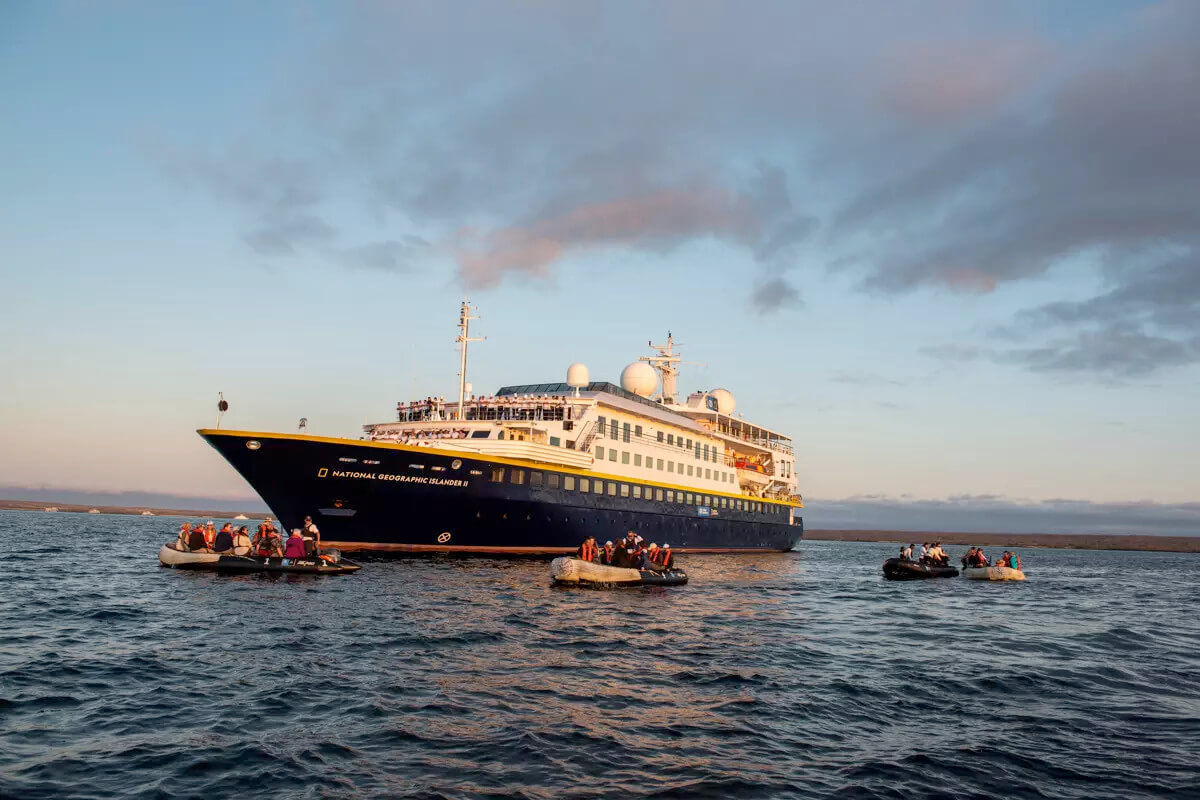
Expedition cruising has evolved far beyond the traditional idea of a cruise vacation. Instead of focusing primarily on onboard entertainment, extensive dining venues, and days at sea, expedition cruises are designed around discovery, exploration, wildlife, and access to places that few travelers ever experience.
Whether you are dreaming of watching penguins on an Antarctic shore, searching for polar bears in the Arctic, exploring the remote coastlines of Alaska, or navigating the islands of the Galápagos, the cruise line you choose can significantly shape your experience.
One of the most important decisions is determining what kind of expedition cruise best matches your travel style. Do you want a true expedition experience where exploration takes center stage, or would you prefer to combine remote destinations with the service, cuisine, and accommodations associated with luxury cruising?
Here is what adventure travelers should know about the major types of expedition cruise brands.
What Is an Expedition-Focused Cruise Line?
Expedition-focused cruise lines make exploration the centerpiece of the voyage. Their ships are generally smaller than conventional cruise ships, allowing them to reach remote coastlines, narrow waterways, and secluded landing sites that are inaccessible to larger vessels.
The ship itself is often less important than what it allows you to experience beyond the rail.
Instead of spending your days moving from one traditional port to another, expedition cruising typically involves a combination of Zodiac landings, wildlife watching, hiking, kayaking, snorkeling, photography, and expert-led shore excursions. The itinerary may also change based on weather, sea conditions, wildlife activity, or other opportunities for discovery.
That flexibility is one of the defining characteristics of expedition cruising.
What Makes an Expedition Ship Different?
Purpose-built expedition vessels commonly feature equipment designed specifically for exploration, such as:
- Zodiac boats, used for shore landings, wildlife viewing, and exploring coastlines.
- Kayaks and paddlecraft, providing a more intimate way to experience remote environments.
- Ice-strengthened hulls, particularly important for voyages in polar regions.
- Expedition teams, including naturalists, marine biologists, geologists, historians, photographers, and other specialists.
- Science centers and laboratories, where guests can learn about the environments they are visiting and, in some cases, participate in citizen science projects.
- Underwater technology, including remotely operated vehicles and submarines on selected ships.
- Photography and observation facilities, designed to help travelers get closer to wildlife and landscapes.
The emphasis is on getting outside the ship and experiencing the destination rather than simply viewing it from a balcony.
Expedition Cruise Lines to Consider
Several cruise brands have built their identities around expedition travel.
Lindblad Expeditions-National Geographic
Lindblad Expeditions has a long history of expedition travel and is particularly well known for combining exploration with scientific and educational programming.
Its fleet operates in destinations including Antarctica, the Arctic, Alaska, the Pacific Northwest, the Galápagos, and other remote regions. Expedition vessels are equipped with tools such as Zodiacs and kayaks, while onboard teams may include naturalists, photographers, undersea specialists, historians, and other experts.
The partnership with National Geographic also makes photography and scientific discovery an important part of the experience.
For travelers who want to learn as they explore, Lindblad Expeditions can be an especially appealing choice.
UnCruise Adventures
UnCruise Adventures takes a distinctly small-scale approach to expedition travel. Its itineraries include Alaska, Hawaii, Costa Rica, and other destinations where getting away from heavily visited ports is part of the appeal.
Rather than following the rhythm of a large cruise ship, UnCruise voyages tend to emphasize spontaneous exploration, wildlife encounters, hiking, kayaking, and smaller communities and natural areas.
For travelers who value informality, active exploration, and small groups, UnCruise can be an excellent fit.
HX
HX, formerly known as Hurtigruten Expeditions, operates small expedition ships designed for destinations ranging from the Arctic and Antarctica to Alaska, South America, and the Galápagos.
The company’s expedition experience emphasizes exploration and education, with expedition teams providing interpretation of the environments, wildlife, and communities travelers encounter along the way. Some ships also incorporate technology and scientific programming intended to give guests a deeper understanding of the destinations they visit.
For travelers who want a traditional expedition experience with a strong emphasis on discovery and education, HX is worth considering.
Quark Expeditions
Quark Expeditions specializes almost exclusively in polar exploration, with voyages focused on the Arctic and Antarctica.
Its ships are designed around the requirements of polar travel, and the line places a strong emphasis on getting travelers into the environment through Zodiac excursions, shore landings, and other expedition activities.
Quark is particularly attractive to travelers whose primary objective is experiencing the polar regions rather than combining an expedition with a traditional luxury cruise vacation.
Aurora Expeditions
Aurora Expeditions offers small-ship expedition voyages to destinations including Antarctica, the Arctic, Australia, New Zealand, and other regions.
The company emphasizes active exploration, making it a good option for travelers who want to do more than simply observe the landscape. Depending on the itinerary, activities can include kayaking, hiking, wildlife watching, and other experiences designed to put travelers directly into the environment.
Hapag-Lloyd Cruises
Hapag-Lloyd Cruises combines luxury cruising with expedition-style itineraries. Its expedition program reaches destinations in the Arctic, South Pacific, Central and South America, the Great Lakes, and Northern Europe.
This makes the brand particularly interesting for travelers who want expedition experiences but are not prepared to give up a higher level of onboard comfort and service.
Luxury Cruise Lines That Offer Expedition Voyages
Not every traveler wants to choose between adventure and luxury.
Luxury expedition cruising is designed for people who want both.
Imagine spending the morning riding a Zodiac through an Antarctic bay, watching whales or seals, then returning to a ship with fine dining, spacious accommodations, attentive service, and a comfortable place to relax.
That combination is one of the fastest-growing attractions of expedition cruising.
Luxury expedition ships typically retain the equipment and expertise needed for serious exploration while adding features associated with upscale cruising. Depending on the ship, that can include suites, butler service, specialty restaurants, spas, fine wines, premium spirits, and highly personalized service.
The result is an experience that can feel very different from a traditional expedition vessel, even when both ships are visiting the same destination.
Luxury Expedition Brands to Consider
Atlas Ocean Voyages
Atlas Ocean Voyages operates small, yacht-style ships designed to combine exploration with upscale accommodations and amenities.
Its itineraries include destinations such as Antarctica, the Arctic, South America, the Mediterranean, Northern Europe, and the Caribbean.
Atlas can appeal to travelers who want the intimacy of a smaller expedition ship while maintaining a more sophisticated onboard environment.
Celebrity Cruises
Celebrity Cruises offers expedition-style cruising in the Galápagos aboard Celebrity Flora, a purpose-built vessel designed specifically for the islands.
The ship combines the intimate scale required for exploring the Galápagos with the service and accommodations associated with the Celebrity brand.
For travelers who want a Galápagos experience with an emphasis on comfort and upscale service, it is an option worth investigating.
PONANT
PONANT specializes in small-ship luxury cruising, including expedition voyages to Antarctica, the Arctic, Australia, New Zealand, Africa, and other destinations.
Its ships combine expedition capabilities with a distinctly French luxury aesthetic. The relatively small number of passengers can also create a more intimate atmosphere than travelers will find aboard a conventional cruise ship.
PONANT is particularly well suited to travelers who want serious exploration without sacrificing elegant surroundings.
Seabourn
Seabourn operates purpose-built expedition vessels, including Seabourn Venture and Seabourn Pursuit.
Both ships are designed for polar exploration and feature ice-strengthened construction and sophisticated maneuvering capabilities. Their expedition teams support activities such as Zodiac excursions and kayaking.
At the same time, Seabourn brings its ultra-luxury approach to the expedition environment, with refined dining, high levels of service, and amenities designed to make remote-region travel exceptionally comfortable.
The contrast can be striking. One day you might be stepping onto an Antarctic beach from a Zodiac, and later that evening you can return to an elegant dinner and premium onboard service.
Scenic
Scenic operates Scenic Eclipse and Scenic Eclipse II, ocean-going discovery yachts designed to combine luxury with expedition capability.
These vessels feature equipment intended for exploration, including Zodiacs and, on applicable voyages, helicopters and submersibles.
The ships can travel to polar destinations such as Antarctica and the Arctic while also offering itineraries in regions such as the Mediterranean and Caribbean.
Scenic is an appealing option for travelers who want an ultra-luxury yacht experience with serious expedition capabilities.
Silversea
Silversea operates a dedicated expedition fleet that includes Silver Origin, Silver Endeavour, Silver Cloud, and Silver Wind.
Its expedition voyages cover an exceptionally broad geographic range, including Antarctica, the Arctic, the Galápagos, Australia, South America, Central America, Africa, and the South Pacific.
Guests can participate in Zodiac excursions, kayaking, wildlife encounters, and educational programs led by naturalists and other expedition specialists.
Silversea’s strength is its ability to combine remote destinations with the high level of service and amenities expected from a luxury cruise line.
Viking Expeditions
Viking operates Viking Octantis and Viking Polaris, purpose-built expedition ships that sail to destinations including Antarctica, the Arctic, and the Great Lakes.
The ships incorporate expedition-specific features such as a dedicated science laboratory, along with equipment and facilities supporting activities such as Zodiac excursions, kayaking, and underwater exploration.
Viking also places considerable emphasis on enrichment. Travelers interested in the science, history, geology, and culture of the destinations can expect educational programming to play an important role in the voyage.
Aqua Expeditions
Aqua Expeditions takes a particularly interesting approach to small-ship exploration, with voyages in destinations including the Galápagos and other tropical and remote environments.
Its relatively small vessels create an intimate atmosphere, while the brand focuses heavily on high-end accommodations, cuisine, service, and destination-focused experiences.
For travelers who prefer tropical exploration to polar expeditions, Aqua Expeditions is worth considering.
Swan Hellenic
Swan Hellenic offers expedition voyages to destinations including Antarctica and the Arctic, along with other regions of the world.
The brand combines expedition programming with a more refined onboard experience, making it another option for travelers who want exploration without embracing the more rugged style traditionally associated with expedition cruising.
So, Which Type of Expedition Cruise Is Better?
There is no universal answer.
The better question is: What do you want your expedition experience to feel like?
An expedition-focused operator may be the better choice if your priority is exploration above all else. You might be more interested in spending as much time as possible ashore, kayaking alongside glaciers, searching for wildlife, learning from scientists, or exploring remote coastlines than in having a large suite or extensive onboard amenities.
A luxury expedition line may be a better match if you want the same sense of adventure but place a high value on accommodations, cuisine, personal service, and relaxation.
Consider two travelers arriving in Antarctica.
The first spends the morning on a Zodiac searching for penguins, hikes across a rocky shoreline, attends an afternoon presentation by a naturalist, and spends the evening discussing the day’s discoveries with fellow passengers.
The second does many of those same activities, but returns to a luxurious suite, enjoys a gourmet dinner, relaxes with premium amenities, and receives highly personalized service.
Neither traveler has chosen the wrong cruise. They simply have different priorities.
What Should You Consider Before Booking?
Because expedition cruises can represent a significant investment of both time and money, it pays to look beyond the itinerary.
1. The Destination
Start with where you want to go.
An Antarctic expedition is fundamentally different from exploring Alaska’s Inside Passage, the Galápagos, the Arctic, or the South Pacific. The destination will influence the ship, itinerary, expedition activities, weather, wildlife, and even the type of clothing and equipment you need.
2. The Ship
Look closely at the ship itself.
How many passengers does it carry? How many Zodiacs are available? Does it have kayaks? Is the hull ice-strengthened? Are there observation areas? Does it have a science center, submarine, helicopter, or other specialized equipment?
A ship’s specifications can have a direct impact on your expedition experience.
3. The Expedition Team
The people leading the expedition can be just as important as the ship.
Look for information about the size and expertise of the expedition team. Naturalists, marine biologists, geologists, historians, photographers, and other specialists can transform a beautiful landscape or wildlife encounter into a much richer experience.
4. The Activities
Do not assume that every expedition cruise offers the same activities.
If kayaking is important to you, verify that it is offered on your specific voyage. The same applies to hiking, snorkeling, scuba diving, camping, photography programs, Zodiac excursions, or submarine experiences.
Also determine whether activities are included in the cruise fare or require an additional charge.
5. The Level of Luxury
Be honest about how much onboard comfort matters to you.
If you are perfectly happy with a comfortable cabin, casual meals, and a highly active expedition schedule, a traditional expedition operator may be ideal.
If you expect fine dining, spacious accommodations, premium amenities, and personalized service, investigate luxury expedition operators.
6. The Expedition Philosophy
Perhaps the most important consideration is the philosophy of the cruise line.
Some operators view the ship primarily as a platform for exploration. Others view the expedition as one part of a broader luxury vacation.
Neither approach is inherently better.
The key is finding the one that matches your definition of adventure.
Finding Your Perfect Expedition Cruise
Expedition cruising offers something that conventional cruising often cannot, the opportunity to travel to places where the journey itself becomes part of the destination.
You may wake up to a glacier outside your window, watch a pod of whales from a Zodiac, hike through a landscape few people have ever visited, or spend an evening listening to an expedition naturalist explain the behavior of wildlife you encountered only hours earlier.
The right cruise line can make those experiences even more rewarding.
For some travelers, that means choosing a dedicated expedition operator where exploration is the central focus of every day. For others, it means pairing remote destinations with the exceptional accommodations, cuisine, and service of a luxury expedition ship.
Before booking, look beyond the name of the cruise line. Compare the ship, expedition team, passenger capacity, activities, included experiences, accommodations, and philosophy of each operator.
The best expedition cruise is not necessarily the most luxurious ship or the most adventurous itinerary. It is the one that delivers the kind of exploration you have been dreaming about.
Contact Sunstone Tours & Cruises toll-free at 1-888-815-5428 to plan the expedition cruise that is right for you.